
Winter Frizz Fighters: Products and Tips You’ll Love
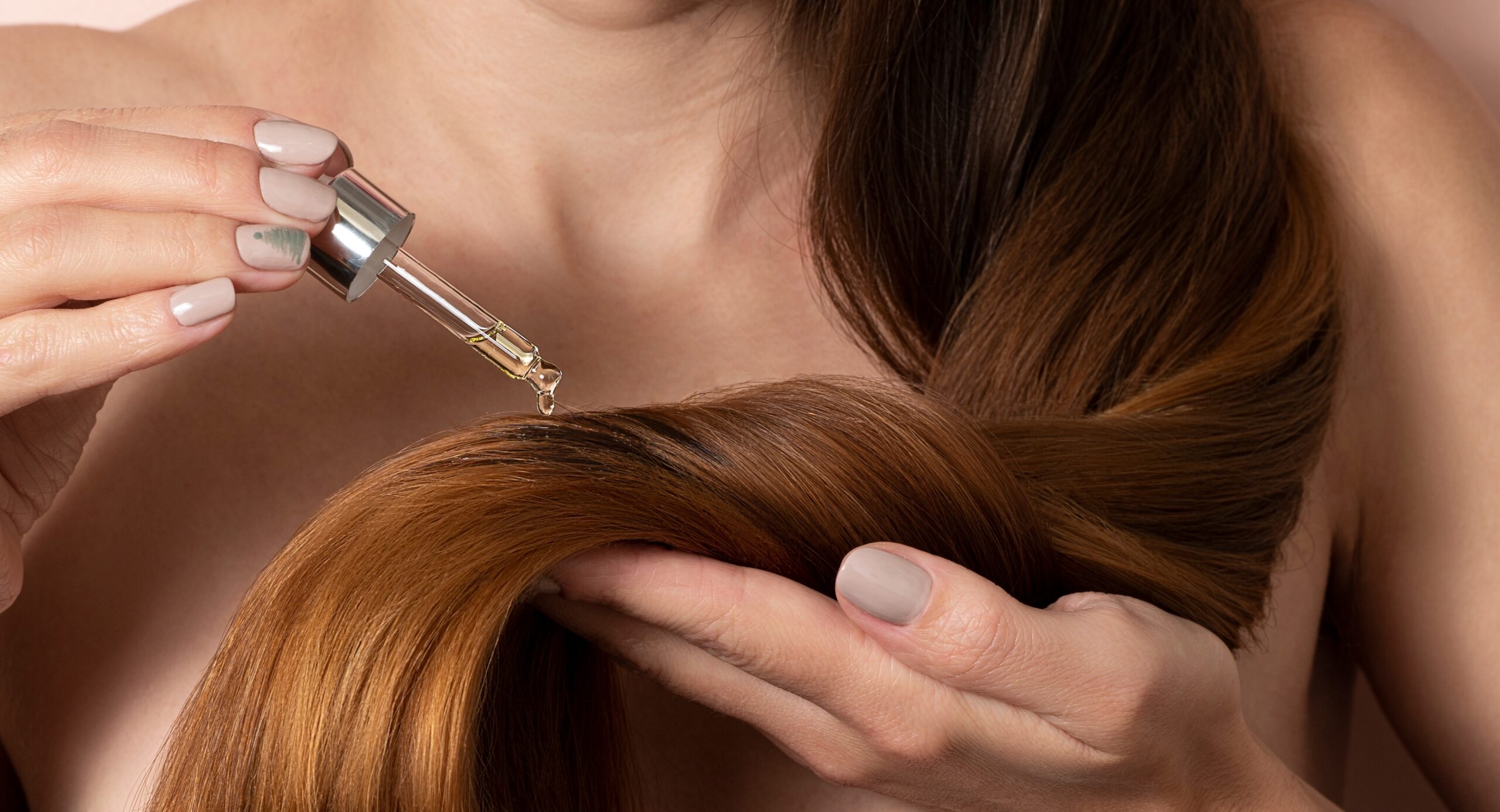
Frizz Control Winter Solutions: Anti-Frizz Hair Products and Professional Treatments
Winter frizz is different from summer frizz. It’s not about humidity wreaking havoc on your carefully styled hair—it’s about brutal dryness, static electricity, and indoor heating systems conspiring to turn your smooth blowout into a halo of flyaways.
You step outside into cold, dry air. Your hair immediately reacts. You walk into a heated building. More frizz. You pull off your winter hat. Static explosion. By noon, you look like you stuck your finger in an electrical socket.
Sound familiar?
Winter hair struggles are real, but they’re also completely solvable with the right products and techniques. The key is understanding that winter frizz requires different solutions than summer frizz.
At Above All Grand Salon and Spa, we’ve spent years perfecting winter frizz-fighting strategies for our clients. We know which products actually deliver results, which professional treatments make the biggest impact, and how to customize solutions for different hair types.
This isn’t generic advice you’ll find on every hair blog. These are specific, tested product recommendations and techniques that work in real Pittsburgh winters.
Why Winter Frizz Is Different (And Harder to Fight)
Summer frizz happens when moisture in humid air penetrates your hair shaft, causing it to swell and creating that puffy, undefined texture. It’s annoying, but at least your hair has moisture.
Winter frizz is the opposite problem. Cold outdoor air holds almost zero moisture. Indoor heating systems actively remove humidity from the air. Your hair becomes desperately dehydrated.
The Winter Frizz Cycle
When hair lacks moisture, the cuticle layer lifts and becomes rough instead of lying flat and smooth. This rough cuticle creates friction against clothing, hats, and even itself.
That friction generates static electricity. In dry winter air, static has nowhere to go, so it builds up. The result? Hair that literally repels itself, standing up and outward in every direction.
Dry hair is also more fragile. It breaks more easily, creating short, uneven pieces that stick up and contribute to the frizzy appearance. These broken pieces can’t be weighed down by products—they’re too short and damaged.
The cycle perpetuates itself. Dry hair becomes damaged. Damaged hair becomes frizzier. Frizzy hair rubs against fabric and breaks more. More breakage creates more frizz.
Indoor Heating Makes Everything Worse
Your home, office, and car heating systems are basically giant hair dryers pointed at your head all day. They strip moisture from the air and from your hair.
People don’t realize how dramatically indoor heating affects hair health. You can have a perfect morning routine, but eight hours in a heated office undoes everything.
The temperature contrast between outdoor cold and indoor heat is also problematic. These rapid temperature changes stress your hair cuticle, causing it to expand and contract repeatedly. This makes hair more porous and frizz-prone.
Why Your Summer Products Don’t Work
Those lightweight, humidity-blocking products that saved you in August? Completely wrong for winter.
Summer products focus on sealing the cuticle to prevent moisture penetration. Winter hair needs the opposite—products that add and lock in moisture while combating static.
Using summer anti-frizz products in winter often makes things worse because they’re not addressing the actual problem.
The Best Anti-Frizz Hair Products for Winter
Not all frizz-fighting products are created equal. These specific product categories deliver results for winter hair struggles.
Heavy-Duty Leave-In Conditioners
Leave-in conditioners are your first line of defense against winter frizz. They add moisture, smooth the cuticle, and create a protective barrier against environmental stress.
What to look for:
- Thick, cream-based formulas (not lightweight sprays)
- Ingredients like shea butter, coconut oil, or argan oil
- Humectants that attract and hold moisture
- Heat protection for styling
Apply leave-in conditioner to damp hair after washing, focusing on mid-lengths and ends. Don’t rinse it out—that’s the whole point. It stays in your hair, continuously fighting dryness throughout the day.
The right leave-in makes styling easier, reduces breakage during brushing, and keeps hair hydrated between washes. It’s the single most impactful product addition for winter hair care.
Hair Oils and Serums
Oils seal moisture into your hair shaft while creating a smooth, glossy surface that resists friction and static.
The difference between oils and serums:
- Pure oils (argan, jojoba, coconut) are exactly what they sound like—straight oil
- Serums are oil-based products with additional ingredients like silicones that enhance smoothness
Both work, but they serve slightly different purposes. Oils are better for deep conditioning and overnight treatments. Serums work better for daily styling because they don’t feel as heavy.
Application tips:
- Use oils on damp hair before drying for deep penetration
- Apply serums to dry or nearly-dry hair as a finishing step
- Start with tiny amounts—you can always add more
- Focus on ends and mid-lengths, avoiding roots unless your hair is very thick and dry
Anti-Static Sprays
These specialized products neutralize static electricity on contact. They’re game-changers for midday frizz emergencies.
Anti-static sprays work differently than other frizz products. They don’t add moisture or smoothness—they specifically target the electrical charge causing flyaways.
Keep a travel-sized anti-static spray in your purse, car, and desk drawer. A quick spray before meetings or photos eliminates that static halo instantly.
Some anti-static products also contain light conditioning agents for dual benefits. Look for formulas that don’t leave residue or make hair look greasy.
Deep Conditioning Masks
Weekly deep conditioning masks are non-negotiable during winter. Your regular conditioner isn’t enough when environmental conditions are this harsh.
What makes masks different from regular conditioner:
- Higher concentration of conditioning agents
- Thicker consistency that penetrates deeper
- Designed to be left on for extended periods
- Often contain proteins that strengthen hair structure
Use masks once or twice weekly depending on your hair’s dryness level. Apply to clean, damp hair, leave on for 10-20 minutes (or longer—many people apply them before bed), then rinse thoroughly.
The moisture boost from regular masking accumulates over time. After a few weeks of consistent use, you’ll notice your hair holds moisture better between treatments.
Styling Creams with Anti-Frizz Technology
Styling creams smooth hair while providing hold and definition. They’re particularly good for textured or curly hair that needs both frizz control and style support.
Look for creams specifically labeled for frizz control or smoothing. These contain ingredients that coat the hair shaft, filling in rough spots on the cuticle and creating a uniform surface.
Best for:
- Creating sleek ponytails without bumps and flyaways
- Defining curls without crunch or stiffness
- Smoothing hair before braiding
- Taming baby hairs and hairline frizz
Apply to damp hair before air-drying or blow-drying. The product works with heat to create a smooth finish that lasts all day.
Humidity-Resistant Hairsprays
Wait—didn’t we say winter isn’t about humidity? True, but humidity-resistant hairsprays have a special talent: they create a flexible shield around your hair that blocks environmental factors INCLUDING dry air.
These hairsprays contain ingredients that resist both moisture and dryness, maintaining your style regardless of external conditions.
Choose flexible-hold formulas rather than rock-hard versions. You want movement and touchability, not helmet hair. Spray from 10-12 inches away for even distribution without product buildup.
Professional Above All Treatments That Actually Work
At-home products are essential, but professional treatments take frizz control to another level. These salon services address winter hair damage more thoroughly than anything you can do yourself.
Keratin Smoothing Treatments
Keratin treatments are the gold standard for fighting winter frizz. They temporarily restructure your hair, making it smoother, shinier, and significantly more manageable.
How they work: Keratin (a protein naturally found in hair) is applied to your hair and sealed in using heat. This fills in damaged areas of the cuticle, creating a smooth, uniform surface. The result lasts 3-4 months with proper care.
Keratin treatments don’t permanently straighten hair like relaxers do. They reduce volume and frizz while maintaining your natural texture—just smoother and more polished.
Winter benefits:
- Dramatically reduced styling time on busy mornings
- Hair that stays smooth in heated buildings and cold outdoor air
- Less breakage from brushing and styling
- Shine that lasts even in harsh conditions
- Easier detangling that prevents mechanical damage
The investment pays off quickly when you calculate time saved on daily styling multiplied by four months of results.
Deep Conditioning Treatments
Professional deep conditioning treatments are significantly more potent than at-home masks. Salon-grade products contain higher concentrations of active ingredients that penetrate deeper into the hair shaft.
These treatments often include multiple steps:
- Cleansing that opens the cuticle for maximum penetration
- Application of intensive conditioning formulas
- Heat or steam that drives ingredients deeper
- Sealing products that lock in moisture and smooth the cuticle
The effects are immediately visible. Hair feels softer, looks shinier, and behaves better for 2-3 weeks after a single treatment.
Schedule professional conditioning monthly during winter, or every 6-8 weeks if your hair is relatively healthy. The accumulated benefits keep your hair in optimal condition despite harsh environmental conditions.
Scalp Treatments
Dry winter air doesn’t just affect your hair—it affects your scalp too. An unhealthy, dry scalp produces dry, brittle hair no matter what products you use.
Professional scalp treatments exfoliate dead skin, remove product buildup, stimulate circulation, and deeply hydrate the scalp. This creates optimal conditions for healthy hair growth and improves the overall quality of hair produced by your follicles.
Many people notice reduced flaking, less itchiness, and better hair texture after regular scalp treatments. Healthy scalps produce healthier hair from the root, making everything else you do more effective.
Glossing Treatments
Glossing treatments (also called glazes or toners) coat hair with a sheer layer of color and shine-enhancing ingredients. They’re different from permanent color—glosses are semi-permanent and primarily focused on improving hair appearance and condition.
Winter benefits:
- Incredible shine that combats winter dullness
- Smooth surface that resists frizz
- Enhanced color depth and dimension
- Temporary color correction without commitment
- Added conditioning benefits
Glossing treatments last 4-6 weeks and work beautifully between color appointments to maintain vibrancy and health. The shine factor alone makes a dramatic difference in how polished your hair looks.
Brazilian Blowouts
Brazilian Blowouts are similar to keratin treatments but tend to be less intense and slightly shorter-lasting (2-3 months instead of 3-4).
These treatments are excellent for people who want significant frizz reduction without as much straightening effect. They maintain more of your natural texture while eliminating the frizz and bulk that make styling difficult.
The formulation also differs—Brazilian Blowouts create a protective protein layer around each hair strand rather than restructuring the hair itself. This makes them a good option for people with color-treated hair or those wanting a less permanent solution.
Customized Solutions for Different Hair Types
Your hair type determines which products and treatments will work best. Here’s how to customize your winter frizz-fighting strategy.
Fine, Straight Hair
Fine hair gets weighed down easily, so heavy products that work for thick hair make fine hair look greasy and flat.
Product strategy:
- Lightweight leave-in sprays instead of cream conditioners
- Silicone-based serums applied sparingly to ends only
- Volumizing products at roots, smoothing products on lengths
- Dry shampoo to absorb oil and maintain volume
Best treatments:
- Glossing treatments add shine without weight
- Light conditioning treatments that don’t over-moisturize
- Scalp treatments to maintain healthy oil production
Avoid:
- Heavy oils or thick creams near roots
- Over-conditioning that creates limpness
- Too-frequent washing that triggers oil overproduction
Thick, Coarse Hair
Thick hair can handle—and often needs—heavier products that would overwhelm finer textures.
Product strategy:
- Rich, butter-based leave-in conditioners
- Pure oils (coconut, argan) applied generously
- Thick styling creams for control and definition
- Weekly intensive masking treatments
Best treatments:
- Keratin treatments provide dramatic manageability improvements
- Brazilian Blowouts reduce volume and styling time significantly
- Deep conditioning treatments should be monthly minimum
Styling tips:
- Apply products to soaking wet hair for better distribution
- Section hair when applying products to ensure even coverage
- Use diffusers or air-dry rather than blow-drying when possible
Curly and Wavy Hair
Textured hair is naturally more prone to frizz because the curl pattern creates natural gaps in the cuticle where moisture escapes.
Product strategy:
- “Cocktailing” multiple products (leave-in + cream + gel layers)
- Anti-humectant products that seal moisture IN without letting environmental moisture disrupt curl pattern
- Curl-specific products designed for definition and frizz control
- Microfiber towels or t-shirts instead of regular towels
Best treatments:
- Keratin treatments designed specifically for curly hair (ask about curl-preserving formulas)
- Deep conditioning treatments every 2-3 weeks
- Glossing treatments for shine without losing texture
Winter-specific tips:
- Refresh curls with water + leave-in spray between washes
- Sleep with hair in protective styles (loose braids, satin bonnets)
- Never brush dry curly hair—only detangle when wet with conditioner
Color-Treated Hair
Chemical color processes damage the cuticle, making colored hair more porous and frizz-prone than virgin hair.
Product strategy:
- Color-safe products that won’t strip or fade color
- Protein treatments to strengthen chemically compromised hair
- Purple shampoo for blondes to combat winter brassiness
- UV protection products (yes, even in winter—snow reflects UV rays)
Best treatments:
- Glossing treatments maintain color vibrancy and add shine
- Bond-building treatments repair damage from color processing
- Keratin treatments compatible with colored hair (confirm with your stylist)
Maintenance:
- Wash less frequently to preserve color and natural oils
- Use lukewarm or cool water—hot water opens cuticle and fades color
- Schedule color and smoothing treatments strategically so they complement rather than conflict
Transitioning or Natural Hair
Natural hair in various stages of transition requires specialized care that addresses multiple textures simultaneously.
Product strategy:
- Intensive moisture products—natural hair is typically very dry
- Products without harsh sulfates or drying alcohols
- Natural oils like jojoba, coconut, and shea butter
- Detangling products that reduce breakage during styling
Best treatments:
- Deep conditioning treatments every 1-2 weeks minimum
- Scalp treatments to support healthy new growth
- Protective style consultations to minimize manipulation damage
Winter protection:
- Protective styles reduce exposure to harsh conditions
- Satin-lined hats prevent friction and moisture loss
- Regular moisturizing and sealing prevents extreme dryness
Product Application Techniques That Maximize Results
Having the right products means nothing if you’re applying them incorrectly. These techniques ensure you get maximum benefit from your frizz-fighting arsenal.
The Proper Order
Product layering order matters enormously. Apply products in the wrong sequence and they won’t work properly.
The correct order:
- Leave-in conditioner on damp hair
- Heat protectant if styling with heat
- Styling cream or mousse for hold and definition
- Oil or serum on damp hair (or as last step on dry hair)
- Anti-frizz spray as finishing touch
- Hairspray to lock everything in place
Each product needs to penetrate or coat the hair at the right stage. Applying oil first, for example, prevents water-based products from penetrating because oil repels water.
The Praying Hands Method
This technique works especially well for wavy and curly hair. Instead of raking products through with your fingers (which disrupts curl patterns), smooth products over hair using both palms.
How to do it:
- Put product in your palms and rub hands together
- Press palms together with a section of hair between them
- Smooth downward from roots to ends
- Repeat on all sections
This method distributes product evenly while encouraging curl clumping and minimizing frizz disruption.
Scrunching (The Right Way)
Scrunching adds volume and defines texture, but many people scrunch incorrectly and create more frizz.
Proper scrunching technique:
- Apply products to soaking wet hair
- Flip hair upside down or to the sides
- Cup ends of hair in your palm
- Gently squeeze upward toward scalp
- Hold for a few seconds, then release
- Don’t touch hair again until completely dry
The key is scrunching while hair is wet and then leaving it alone. Touching drying hair disturbs the cuticle and creates frizz.
Blow-Drying for Smoothness
Blow-drying can smooth hair beautifully or create a frizz disaster depending on your technique.
Frizz-free blow-drying:
- Apply heat protectant and smoothing products to damp hair
- Use a concentrator nozzle—never blow-dry without one
- Keep dryer at least 6 inches from hair
- Direct air down the hair shaft (following the cuticle direction)
- Dry sections completely before moving to the next area
- Finish with cool shot button to seal the cuticle
Blow-drying upward or without a concentrator nozzle roughens the cuticle and guarantees frizz. The airflow direction matters as much as the heat level.
Diffusing Curly Hair
Diffuser attachments distribute airflow gently without disrupting curl patterns. They’re essential for curly-haired people who need to dry hair without creating frizz.
Proper diffusing:
- Apply all products to soaking wet hair
- Use low heat and low airflow settings
- Cup curls in the diffuser bowl
- Hold diffuser steady against scalp until that section is 80% dry
- Move to next section
- Let hair finish air-drying to 100% if possible
Never move the diffuser around while it’s running—this creates frizz. The bowl should stay stationary while drying each section.
Daily Habits That Prevent Winter Frizz
Your daily routine either fights frizz or causes it. Small adjustments make enormous differences in how your hair behaves.
Morning Routine Adjustments
How you start your day sets up your hair for success or failure.
Wash hair at night when possible. This gives hair time to dry slowly and naturally without rushing. Morning-washed hair often gets blow-dried hastily, creating damage and frizz.
Use lukewarm water, not hot. Hot water opens the cuticle excessively, making hair more porous and prone to frizz. Cool or lukewarm water closes the cuticle for a smoother finish.
Apply products to soaking wet hair. Products distribute more evenly and penetrate better on very wet hair. If your hair is just damp, spritz with water before applying products.
Don’t rush drying. Give yourself enough time to dry hair properly. Rushed blow-drying at high heat is one of the biggest frizz causes.
Hat Hair Solutions
Winter hats are necessary but problematic. They create friction, static, and compression that ruins styled hair.
Minimize damage:
- Choose hats with satin or silk linings (or sew linings into existing hats)
- Apply anti-static spray before putting on hats
- Don’t put hats on when hair is still damp
- Remove hats as soon as you’re indoors
Fix hat hair quickly:
- Keep a small natural-bristle brush in your bag for smoothing
- Carry travel-sized anti-static spray
- Use your hands to gently reshape hair (don’t over-manipulate)
- Flip head upside down and shake for volume recovery
Sleeping Habits
You spend roughly 8 hours with your head on a pillow. What happens during those hours significantly affects daytime frizz.
Switch to silk or satin pillowcases. This single change reduces friction dramatically. Cotton pillowcases rough up the cuticle all night long.
Protect hair before bed:
- Loose braids prevent tangling without creating tension
- High, loose buns keep length off your neck
- Satin bonnets or wraps fully protect hair
- Leave-in conditioning sprays add moisture while you sleep
Never sleep on wet hair. Wet hair is extremely vulnerable to damage. The compression and friction from tossing and turning can break wet hair easily.
Managing Indoor Heat
You can’t control your office or home heating, but you can minimize its impact.
Add humidity back into the air:
- Use humidifiers in bedrooms and offices
- Place water bowls near radiators (evaporation adds moisture)
- Keep plants that release moisture into the air
- Take breaks outside for fresh air when possible
Protect hair from direct heat:
- Move your desk away from heating vents if possible
- Don’t position yourself directly under ceiling heaters
- Wear hair up when sitting near fireplaces or space heaters
Midday refresh:
- Keep anti-static spray at your desk
- Lightly spritz hair with water + leave-in mix in bathroom
- Smooth a tiny amount of oil or serum through ends
Product Combinations That Work Together
Certain products complement each other perfectly, creating synergistic effects that exceed what individual products deliver alone.
The Moisture Maximizer Stack
For very dry hair:
- Deep conditioning mask (wash day)
- Leave-in conditioner (damp hair)
- Hair oil (damp hair, before drying)
- Serum (dry hair, as finishing step)
This four-product system layers moisture at every stage. The mask provides intensive treatment. Leave-in maintains moisture throughout the day. Oil seals everything in. Serum adds final smoothness and shine.
The Sleek and Smooth Combo
For polished, straight styles:
- Smoothing shampoo and conditioner
- Heat protectant (damp hair)
- Anti-frizz cream (damp hair, before blow-drying)
- Lightweight oil (dry hair, after styling)
- Humidity-resistant hairspray (final step)
This combination creates salon-quality smooth results that last all day even in temperature fluctuations.
The Curl Definition Stack
For bouncy, frizz-free curls:
- Hydrating shampoo and conditioner
- Leave-in conditioner (soaking wet hair)
- Curl-defining cream (wet hair, praying hands method)
- Gel (wet hair, scrunched in)
- Oil (once completely dry, to scrunch out gel cast)
This method creates defined curls with minimal frizz. Each product serves a specific purpose in the curl formation process.
The Volume Without Frizz Formula
For fine hair that needs body:
- Volumizing shampoo at roots only
- Moisturizing conditioner on ends only
- Lightweight leave-in spray
- Volumizing mousse at roots
- Smoothing serum on ends only
- Light-hold hairspray
This strategic application puts volume where you want it (roots) and smoothness where you need it (ends) without compromising either goal.
The Minimal Product Approach
For hair that gets weighed down easily:
- Quality shampoo and conditioner
- Leave-in spray (very light application)
- Heat protectant (if heat styling)
- One styling product (cream, mousse, or spray—choose one)
- Anti-static spray as needed
Less is genuinely more for some hair types. This streamlined routine prevents buildup and over-processing while still fighting frizz.
When to Switch Products (And When to Stick With What Works)
Finding products that work is exciting, but knowing when to change things up versus staying consistent is important too.
Signs You Need Different Products
Your hair suddenly feels different. If products that worked beautifully suddenly stop performing, something has changed. Seasonal shifts, new medications, hormonal changes, or chemical treatments all alter how your hair responds to products.
You’re getting buildup. Residue on your scalp, flat roots despite volumizing products, or hair that feels coated rather than clean indicates product buildup. Time to clarify and possibly switch formulas.
Your hair goals have changed. If you’ve gone from wanting volume to wanting sleekness, or from straight styles to embracing curls, your product lineup needs to change accordingly.
Damage levels have increased. More frequent heat styling, new color treatments, or increased environmental exposure means your hair needs more intensive products.
When to Stay the Course
You’re not seeing immediate results. Some products take 2-3 weeks of consistent use to show full effects. Don’t abandon ship after one use unless you have an allergic reaction.
Someone tells you about a “better” product. What works for their hair might not work for yours. If your current products are performing well, don’t change just because something else exists.
You found your perfect routine. If your hair looks and feels great consistently, you don’t need to keep experimenting. It’s okay to stick with what works.
Seasonal changes are temporary. Small adjustments to your existing routine (adding a mask, using more oil) often work better than overhauling everything for a 3-month season.
The Smart Way to Try New Products
Don’t change everything at once. If multiple new products fail, you won’t know which one caused the problem.
The one-at-a-time rule: Introduce one new product and use it for at least one week before adding another new item. This lets you assess individual performance accurately.
Start with the most impactful category: If you’re going to experiment, start with products that make the biggest difference—leave-in conditioners, styling creams, or professional treatments before worrying about shampoo or finishing sprays.
Keep your MVP products: Don’t abandon everything that works when trying new things. Build your new routine around proven performers.
Your Winter Hair Care Action Plan
Fighting winter frizz requires a complete strategy, not just random products. Here’s your step-by-step plan for smooth, healthy hair all winter long.
Week 1: Assessment and Setup
Schedule a consultation at Above All Grand Salon and Spa to assess your current hair condition. Your stylist can identify specific damage, recommend appropriate treatments, and help you choose products that actually match your hair type.
Purchase your core products: leave-in conditioner, oil or serum, and deep conditioning mask at minimum. These three categories form the foundation of winter hair care.
Switch to silk or satin pillowcases immediately. This zero-effort change delivers results you’ll notice within days.
Week 2-4: Establishing Your Routine
Use your new products consistently every day. Your hair needs time to adjust and respond to the new moisture levels and protection.
Schedule your first professional treatment—whether that’s deep conditioning, glossing, or keratin depends on your hair’s needs and your goals.
Start paying attention to how your hair responds. What time of day does frizz appear? Which products work best? This information helps you refine your approach.
Month 2: Optimization
Now that you’ve been consistent for a month, you can identify what’s working and what needs adjustment.
Add any missing pieces to your routine. Maybe you need anti-static spray for midday touch-ups, or a thicker cream for particularly dry days.
Schedule your second professional treatment if recommended, or continue with monthly maintenance treatments.
Ongoing Maintenance
Continue your product routine consistently. Winter hair care isn’t a one-time fix—it’s sustained effort throughout the season.
Schedule professional treatments as recommended by your stylist. These appointments maintain the health and manageability you’ve built.
Adjust as needed based on changing conditions. January might require slightly different products than December depending on weather patterns and indoor heating levels.
Why Professional Guidance Makes All the Difference
You can research products online endlessly and still end up with a bathroom full of expensive bottles that don’t work for your hair. Professional stylists skip the trial-and-error phase by recommending products and treatments based on experience with hundreds of clients.
We’ve Seen What Actually Works
At Above All Grand Salon and Spa, we work with every hair type, texture, and concern imaginable. We know which products deliver results and which ones are all marketing hype.
We’ve watched products work or fail on real hair in real Pittsburgh winters. This practical experience beats online reviews from people you’ve never met with potentially different hair than yours.
When we recommend products, we’re drawing from years of direct observation and client feedback. These aren’t sponsored recommendations—they’re genuinely what works.
We Customize for Your Specific Needs
Your hair isn’t like anyone else’s hair. It has unique characteristics, damage patterns, and styling needs.
Professional consultation identifies these specifics and creates customized solutions. We consider:
- Your natural texture and density
- Existing damage and chemical treatments
- Daily styling routine and time constraints
- Budget parameters for products and services
- Specific goals (more volume, less volume, curl definition, smoothness, etc.)
This personalized approach delivers better results faster than generic advice ever could.
We Adjust as Things Change
Your relationship with your stylist doesn’t end after one appointment. As seasons change, as your hair grows and evolves, as your styling habits adjust, we modify recommendations accordingly.
This ongoing partnership means your hair care stays optimized continuously rather than working well briefly and then deteriorating because circumstances changed.
Your Path to Frizz-Free Winter Hair
Winter frizz isn’t something you have to accept as inevitable. With the right products, professional treatments, and consistent care, you can have smooth, healthy, beautiful hair even in the harshest winter conditions.
The key is approaching winter hair care strategically. You need products that actually address winter-specific challenges—dryness, static, and indoor heating damage. You need professional treatments that provide results impossible to achieve at home. And you need expert guidance that eliminates expensive trial-and-error.
At Above All Grand Salon and Spa, we specialize in helping clients maintain gorgeous hair year-round, including during challenging winter months. Our product recommendations are based on real results with real clients. Our treatments are customized for your specific needs. And our team genuinely cares about helping you achieve the hair you want.
Your smoothest, healthiest winter hair is possible. It starts with reaching out and getting professional guidance tailored specifically to you.